DOC-LETTER-1938
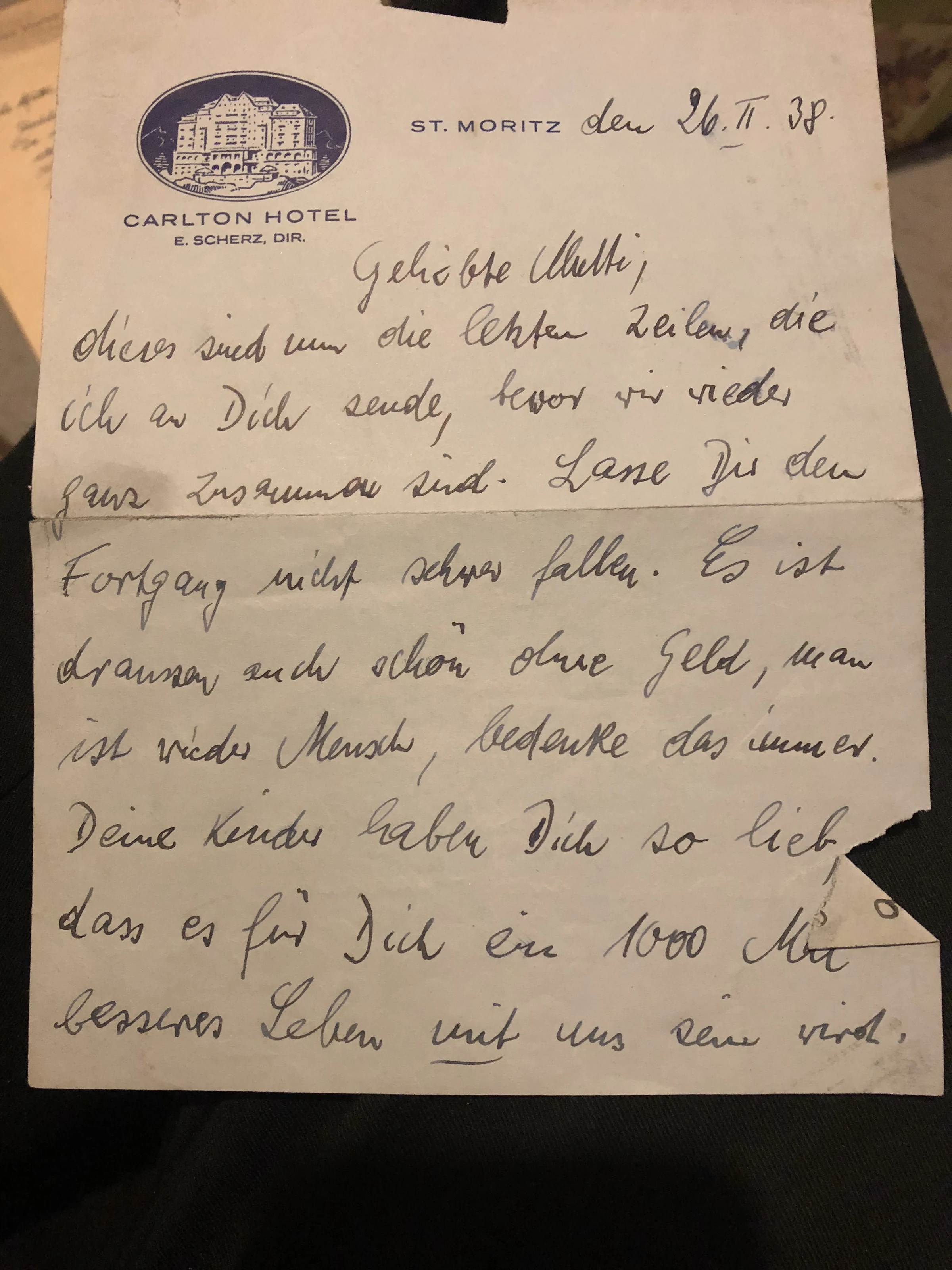
The 26 November 1938 St. Moritz letter
Dolf’s two sheets, photographed, with German and Rabbi Jilovsky’s English.
Read the letterFor research, teaching and collections work
Begin with a letter, a person, a shop or a single documented day. The Reichenbach Family Archive is independent and descendant-led; it is not a sponsored museum, and a credited institution is not thereby a project partner.
What is here
The letter begins in a family room. Civil records, photographs and shop papers place that family in Halberstadt and Wernigerode, then follow persecution, exile and lives rebuilt in the United States and elsewhere.
The archive is noncommercial and still being corrected. Institutional credits identify sources and rights; they do not imply sponsorship, endorsement or partnership.
Five places to begin
Sources, credits, image treatment, uncertainty and known reuse terms remain available on the object page when they are needed.
DOC-LETTER-1938
Dolf’s two sheets, photographed, with German and Rabbi Jilovsky’s English.
Read the letter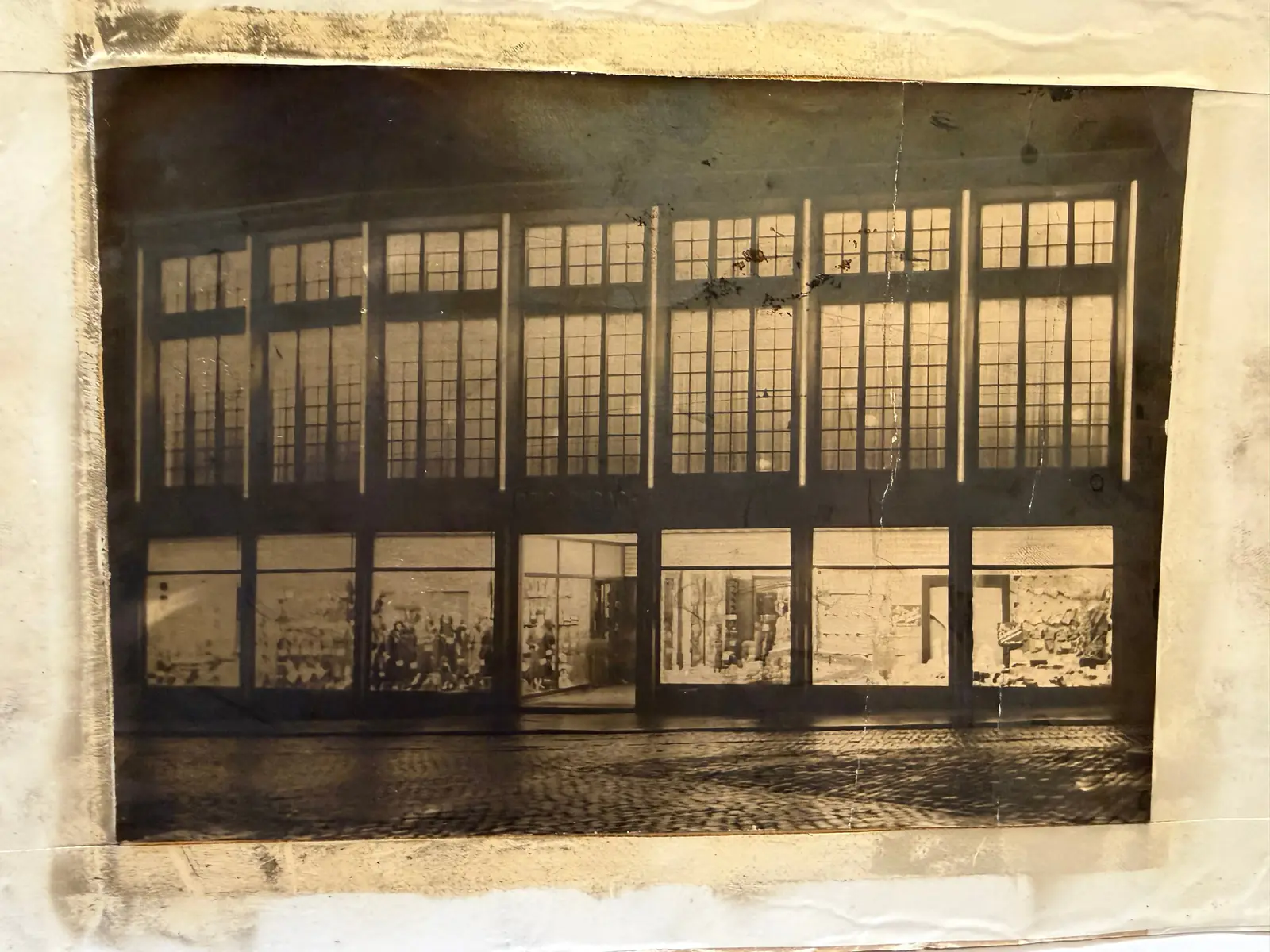
RB-PHO-0207
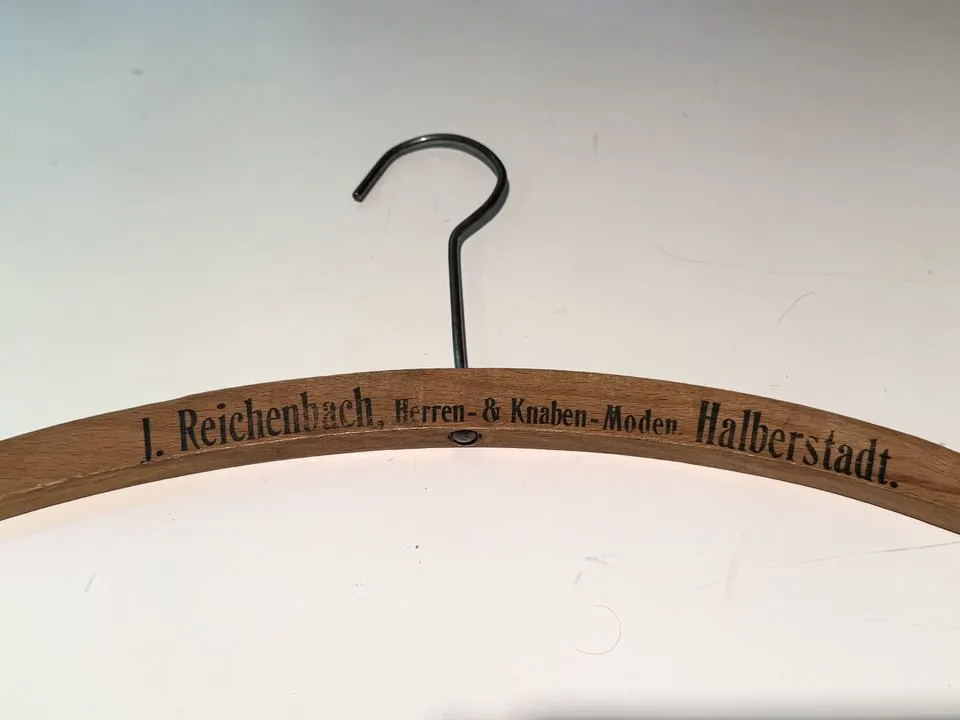
Family-held photographs, architectural records, advertisements and surviving objects document a German-Jewish business rooted in Halberstadt and Wernigerode.
See the shop and its records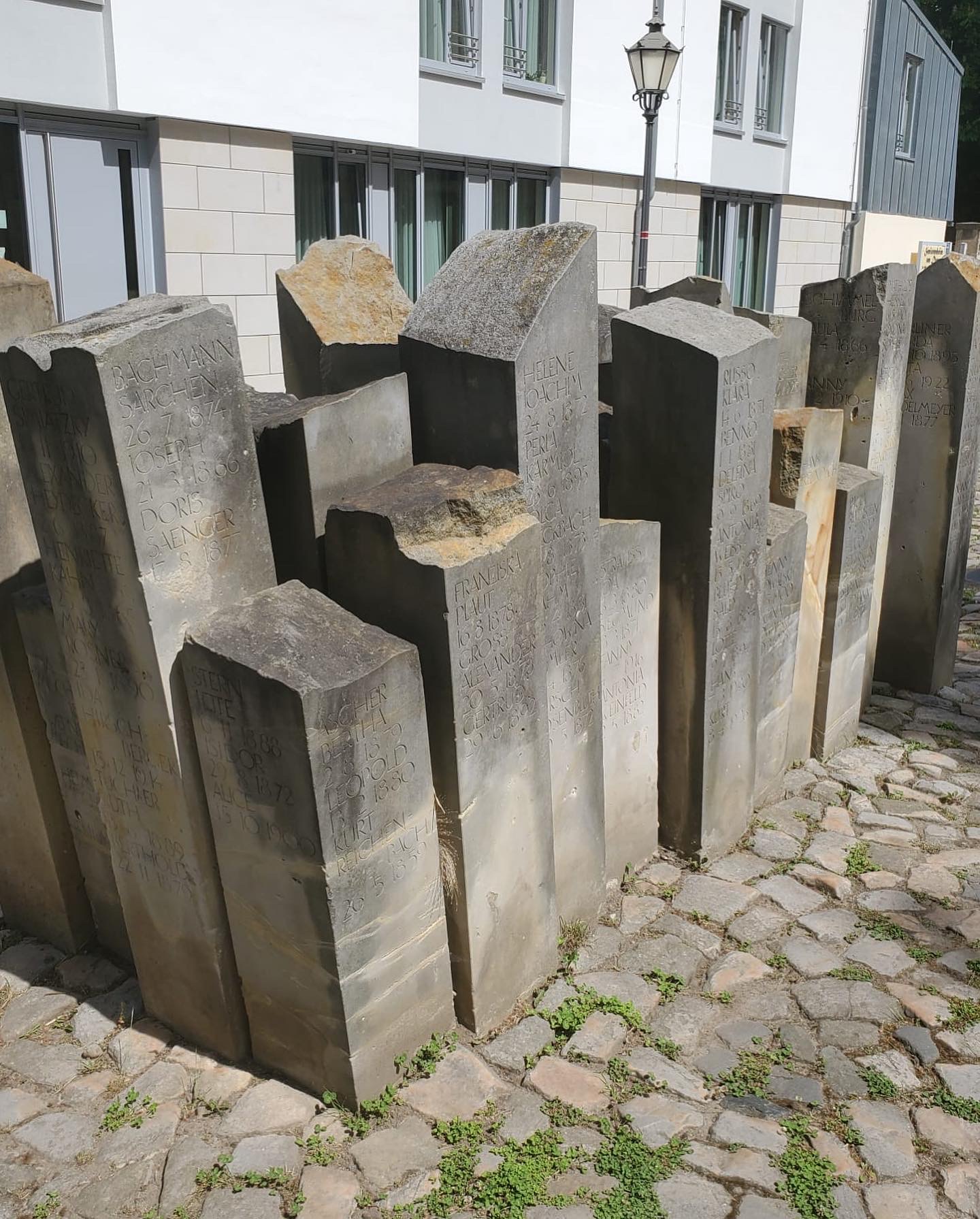
RB-PHO-0023
The surviving records follow Kurt Reichenbach, Paula Wollenberg and Hans Wollenberg from Halberstadt to the Warsaw transport. No later source yet found establishes their individual fates.
Read what happened that day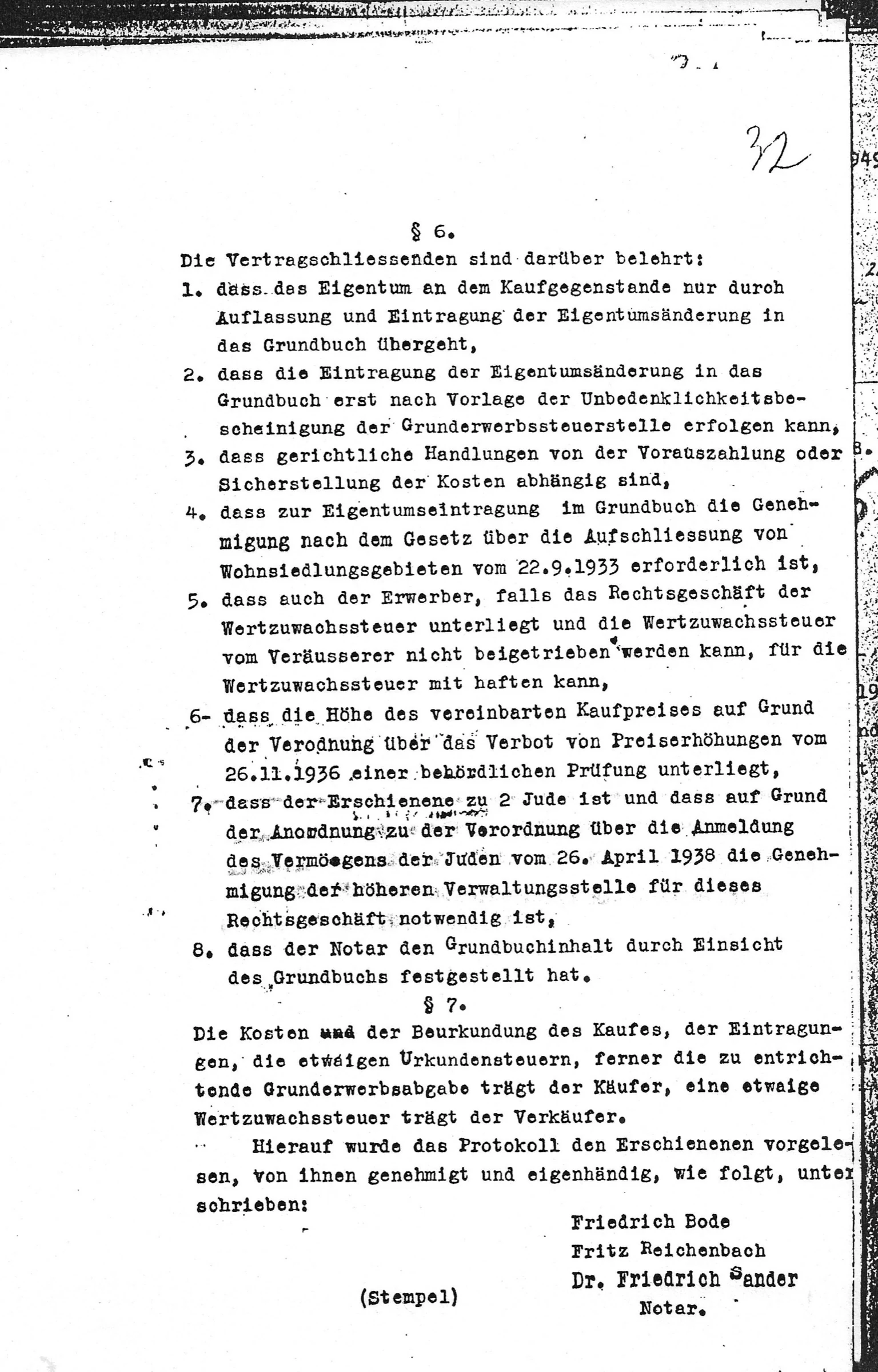
RB-SCAN-007
The notarial deed for Breite Straße 7 names Fritz Reichenbach as Jewish and records the racial-law approval governing the property transfer, joining business history, persecution and dispossession in one primary legal record.
Read the forced-sale deed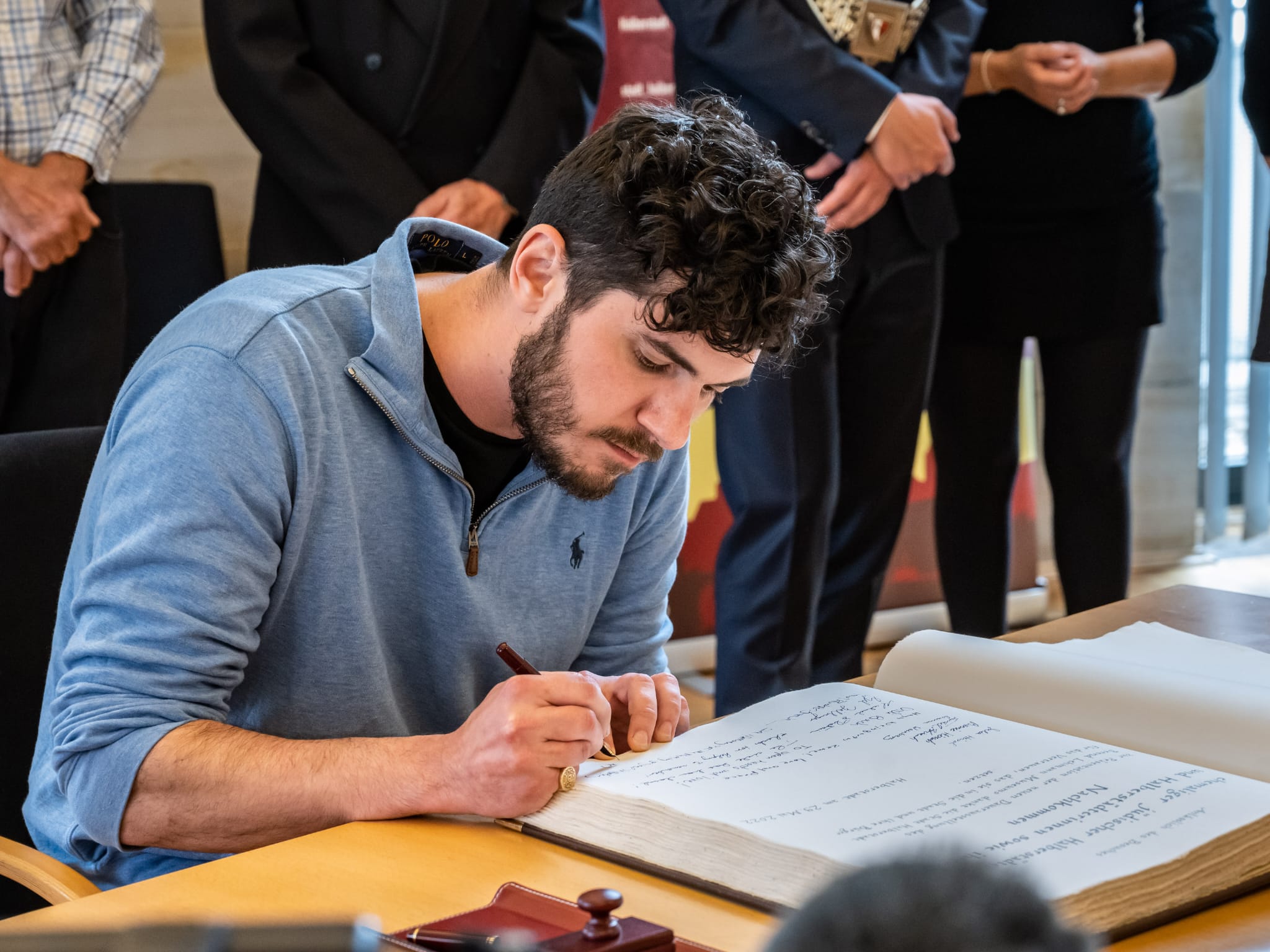
RB-PHO-0273
A family-held photograph records Daniel Reichenbach signing Halberstadt's Golden Book during the 2022 visit by descendants of former Jewish residents.
Read about the 2022 visitArchival method
Documents establish what they directly record. Family testimony is identified as testimony. Conflicts and absences remain visible rather than being resolved by guesswork.
Conventional adjustments and AI-assisted presentation are disclosed at object level. AI derivatives are modern interpretations and never replace the source object in the archive record.
Press information and stills
The Reichenbach Family Archive is an independent, noncommercial, descendant-led family archive with public galleries. It begins with Dolf Reichenbach’s letter of 26 November 1938. The Complete Catalog describes 375 public records across 9 series; the Reading Room offers a 14-record guided path and 64 selected records to browse. Physical originals remain with the family unless an object page names another holder. Four memorial photographs on /camps are cited context, not family-held originals.
Contact contact@reichenbacharchive.org. Rabbi Dr. Esther Jilovsky’s English translation may be quoted as credited to her.
Sources and links
These names appear because the archive cites or links their material. That is not a partnership, deposit, or endorsement.
Nonbinding transfer preparation · 2 September 2026
The preparation packet contains a dated JSON, CSV and XLSX public catalog, a field crosswalk, a rights-and-custody category matrix, a README and SHA-256 checksums. It excludes preservation masters, private evidence, credentials and restricted personal data.
Boundary: this download is not a deed of gift, accession, deposit request, loan agreement, transfer of custody or claim of institutional partnership.
Write to the archive
A page address, name or object ID lets the archive answer against the right evidence. An inquiry does not create an endorsement, transfer, license, loan or partnership unless separately agreed in writing.
Send the page address, object ID and the evidence or context that should be reviewed.
Ask about a named person, place, date, object or archival series rather than requesting a review of the entire site.
Discuss a primary-source packet, seminar, guest session or age-appropriate educational use. Open the 45-minute classroom path.
Propose a clearly bounded object group, talk, digital feature or program audience.
Identify the exact item, medium, treatment and expected reach. Availability depends on custody and rights.
Begin with a nonbinding discussion of ownership, custody, access, preservation and retained publication rights.
Rights and access boundary
The archive can discuss material it owns or administers. Third-party and institution-held objects remain subject to their own rights, credit and access terms. A better scan, metadata delivery and publication permission are separate questions.
Collection citation
Reichenbach Family Archive. “For Researchers & Institutions.” Accessed [date]. https://www.reichenbacharchive.org/institutions.
Every permanent object page supplies its own suggested Chicago-style citation.
Contact
Email contact@reichenbacharchive.org or use the archive contact form. Include a page URL, object ID or named person whenever possible.