Search by a name: Fritz
Filter record results by archival series
People 7
- PersonFritz ReichenbachFritz was Jeanette and Gustav’s only son. He took on the clothing shop at Breite Straße 7, married Martha Pohly of Göttingen and raised their son Werner in Wernigerode.
- PersonMentioned inJeanette Reichenbach née RosenbaumJeanette kept the clothing shop at Breite Straße 7, sat at its till into the 1930s and remained its owner. The large J. Reichenbach sign carried her initial.
- PersonMentioned inKurt Reichenbach, gut-casings merchantThis Kurt kept the M. Reichenbach gut-casings house in Halberstadt. The 1928 directory puts him at Sedanstraße 62 and the firm at Gerberstraße 12 — the same pages that list the other Kurt with the clothing shop.
- PersonMentioned inMargarete Reichenbach née LiebenthalDolf wrote to her from St. Moritz four days after Fritz’s death.
- PersonMentioned inMartha Reichenbach née PohlyMartha was Fritz’s wife and Werner’s mother. In Berlin she lived a half-life as a worker and subtenant at Normannenstraße 2 before the Gestapo took her property and the Berlin deportation list placed her in a transport classed for Auschwitz.
- PersonMentioned inSalomon Gustav ReichenbachGustav was Adolf’s brother. He moved to Wernigerode, married Jeanette Rosenbaum and helped establish the shop where their son Fritz grew up.
- PersonMentioned inWerner ReichenbachWerner grew up over the family shop at Breite Straße 7. He escaped Germany with his wife Margarete in 1939 and rebuilt a family life in Brazil.
Documents and objects 11
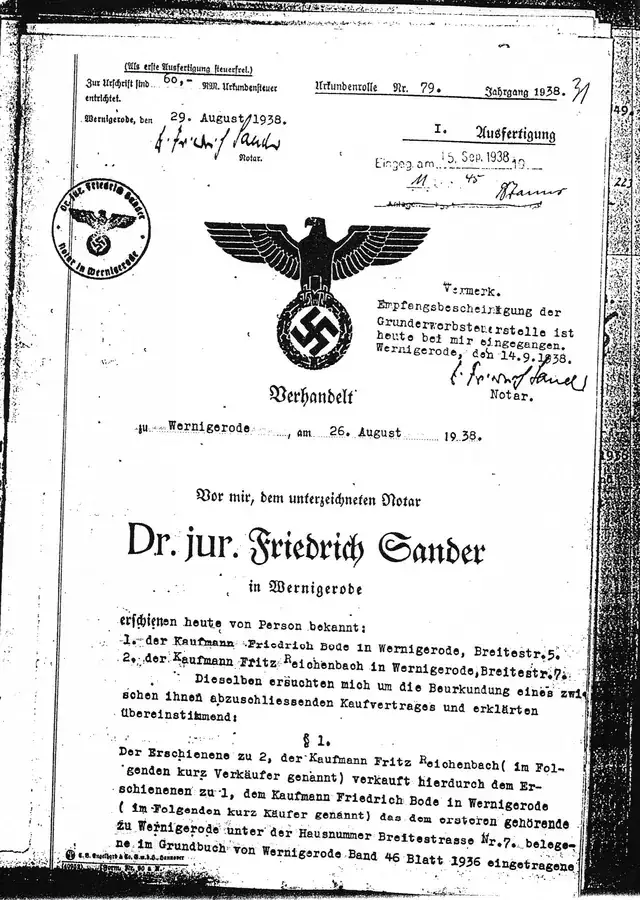 Document / objectFritz appears as the seller of Breite Straße 7The first page of the 1938 deed names Fritz Reichenbach as vendor of the Wernigerode property at Breite Straße 7. Fritz and the notarial parties entered the transfer into a legal record while antisemitic law constrained the sale. The page identifies property and parties, but the racial clause appears later in the deed.
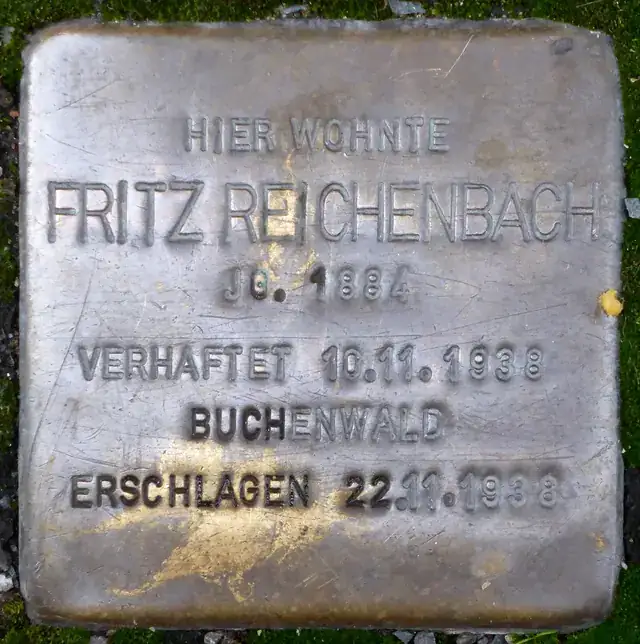 Document / objectStolperstein for Fritz ReichenbachThe stone records Fritz Reichenbach’s arrest, imprisonment in Buchenwald and death there on 22 November 1938. The stone was laid outside the Wernigerode house where Fritz had lived and kept the shop. It is a public memorial, not the camp file that records the details of his imprisonment and death.
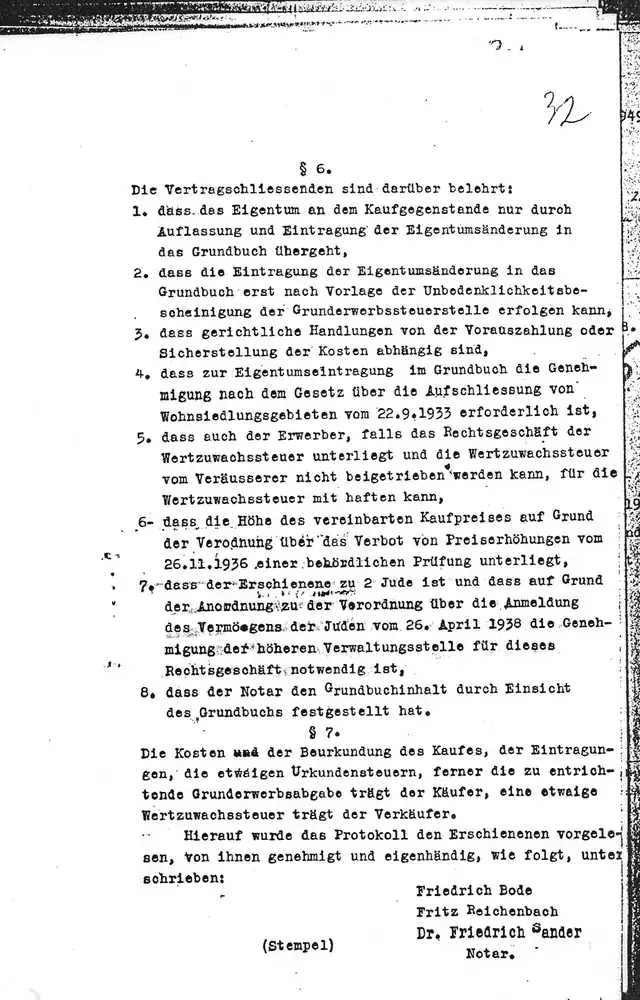 Document / objectThe deed says official approval was required because Fritz was a JewClause 7 states that the vendor “ist Jude” and invokes the 1938 regulation on Jewish property. The notary’s page makes racial coercion explicit inside the sale of Fritz Reichenbach’s house. It proves the legal condition imposed on the transaction, but it does not disclose a free market bargain.
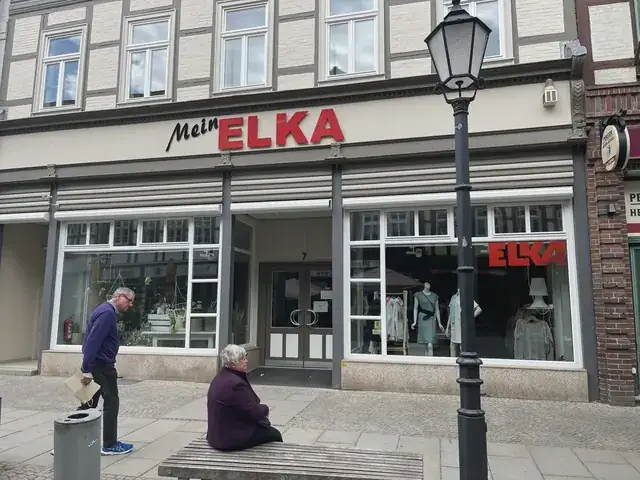 Document / objectA shopfront still faces Breite Straße 7This modern photograph shows the Wernigerode building where Jeanette and Fritz Reichenbach kept the family shop. Four Stolpersteine now lie outside the surviving shopfront. The building connects the address to the street today, but its present appearance is not proof of the 1930s interior.
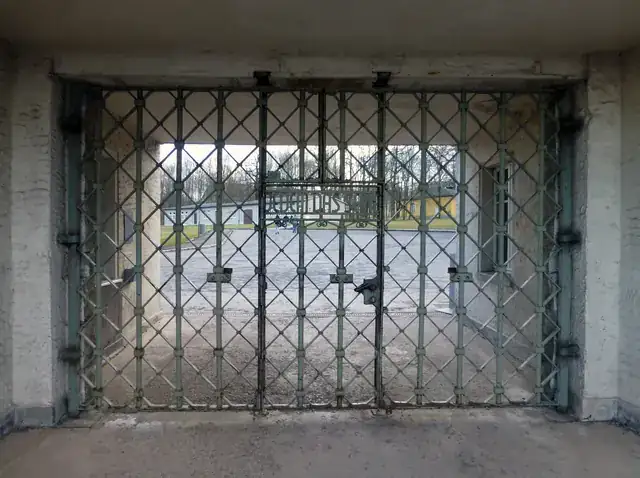 Document / objectBuchenwald memorial gateMemorial view of the Buchenwald gate, 27 December 2013. © 1971markus, CC BY-SA 4.0. Context, not a picture of Fritz, Kurt or Werner Reichenbach.
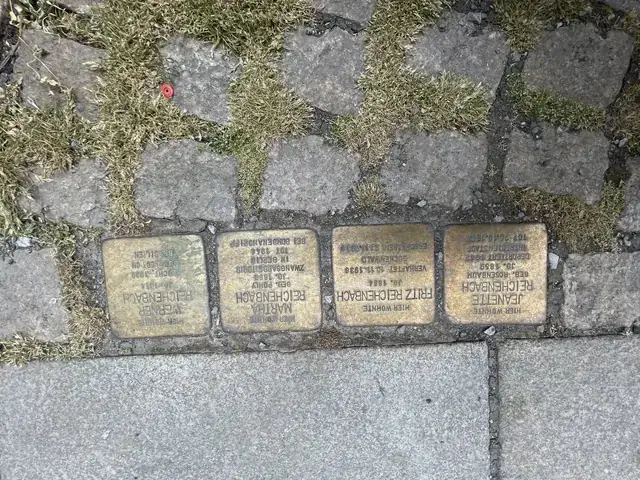 Document / objectFour Stolpersteine name the household at Breite Straße 7These four memorial stones name Fritz, Jeanette, Martha and Werner Reichenbach outside their Wernigerode home. The inscriptions bring the household together at the address where they lived and worked. They are modern memorial texts and do not replace the separate records for each life.
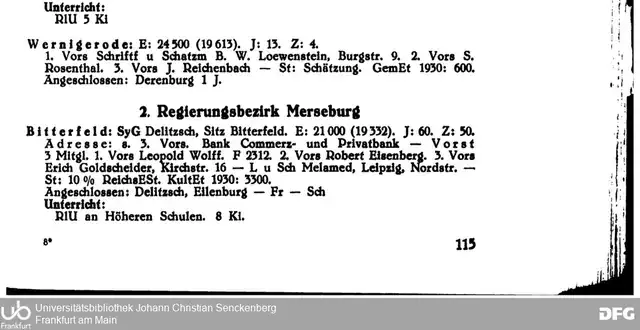 Document / objectJ. Reichenbach is named on Wernigerode’s Jewish community boardThe 1932–33 directory of Jewish communal administration names “J. Reichenbach” as third chair of the Wernigerode community board. In this setting J. Reichenbach is the house name used by the clothing shop at Breite Straße 7. Fritz was then running the store, but this line alone does not prove that the officer was Fritz personally.
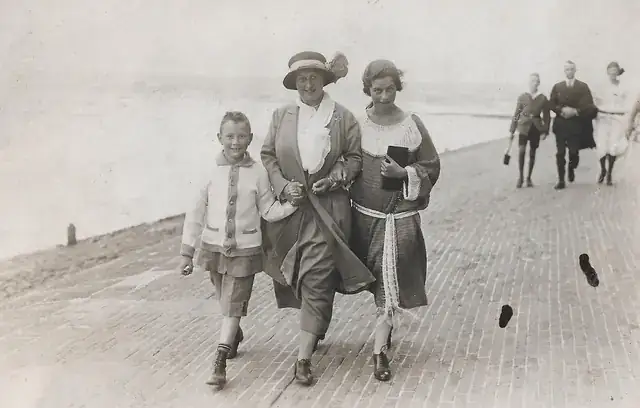 Document / objectMargarete, Dolf and Ruth at WesterlandDolf, Margarete and Ruth Reichenbach walking on Westerland’s seaside promenade on Sylt, probably in the early 1920s. The family kept the photograph with the three names and the place. Its date remains approximate.
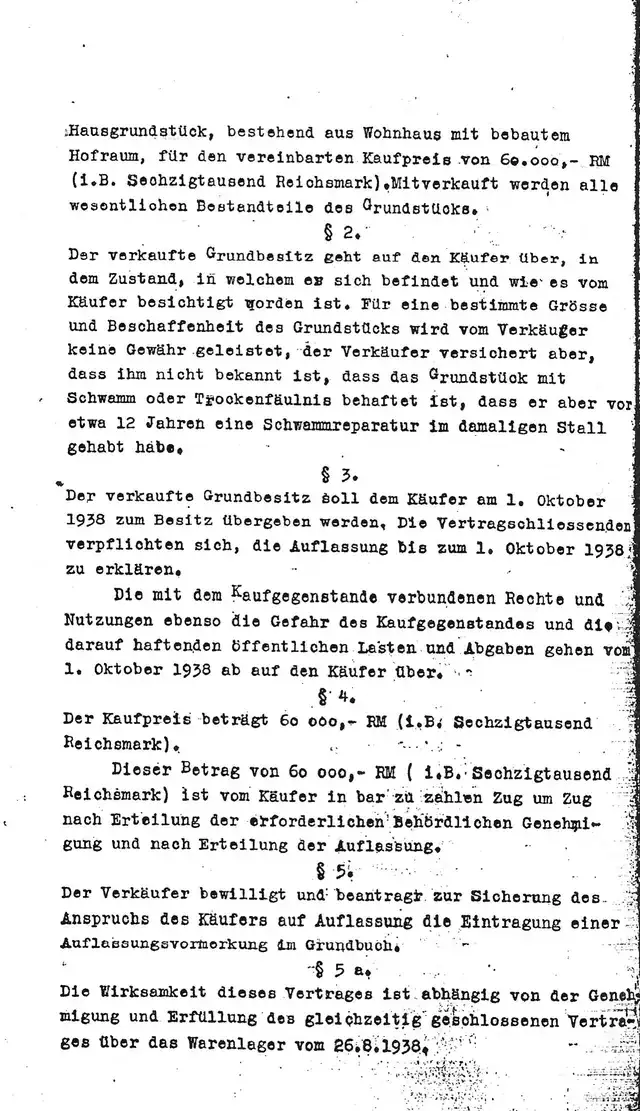 Document / objectThe deed continues the terms imposed on the Wernigerode propertyThis second page continues the conditions governing the transfer of Breite Straße 7. Fritz and the other parties remained bound inside the same notarial transaction. The page belongs to the forced-sale record, but it cannot be read apart from the identifying first page and racial-law clause.
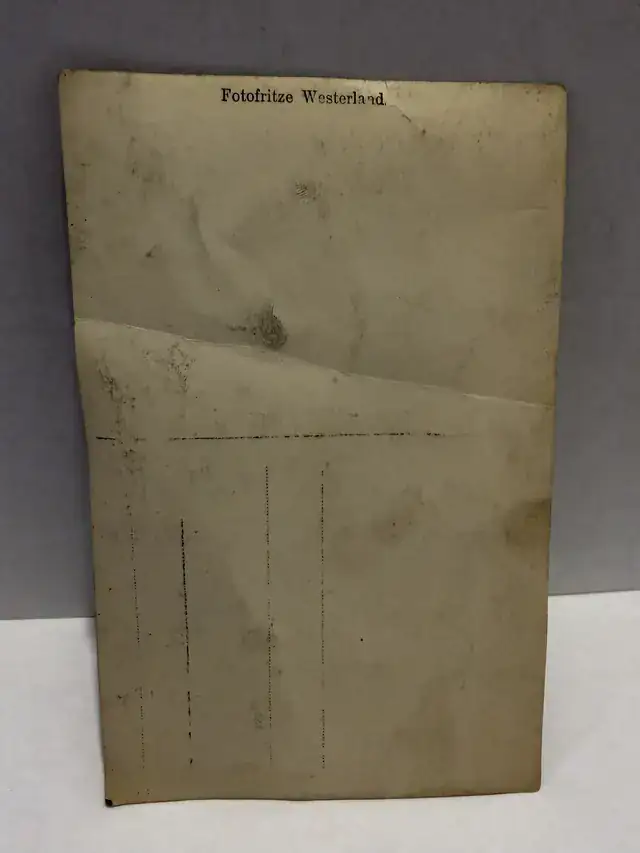 Document / objectThe reverse names the Westerland photo shopThis photographed reverse bears the mark “Fotofritze Westerland” behind the seaside family print. The mark shows where the photograph was processed or sold and remained attached as the family kept it. It does not identify the photographer or fix the exact date.
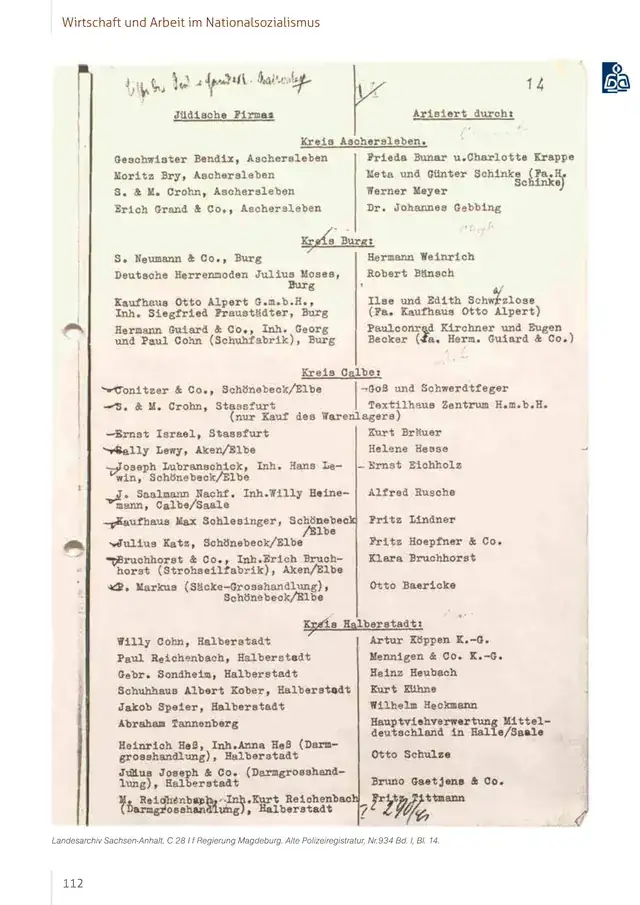 Document / objectThe state list naming Mennigen & Co. after Paul Reichenbach’s firmUnder ‘Kreis Halberstadt,’ the official list places ‘Paul Reichenbach, Halberstadt’ opposite ‘Mennigen & Co. K.-G.’ beneath the headings ‘Jüdische Firma’ and ‘Arisiert durch.’ This is direct administrative evidence that Mennigen & Co. was recorded as the Aryanization successor to Paul Reichenbach’s business. It is not the purchase contract.